3
Years of focused experience on residential and light commercial tree care
Remove What's Dead Without Losing the Tree
Deadwood Pruning in Buckfield for pine and oak trees with dead branches but otherwise healthy structure
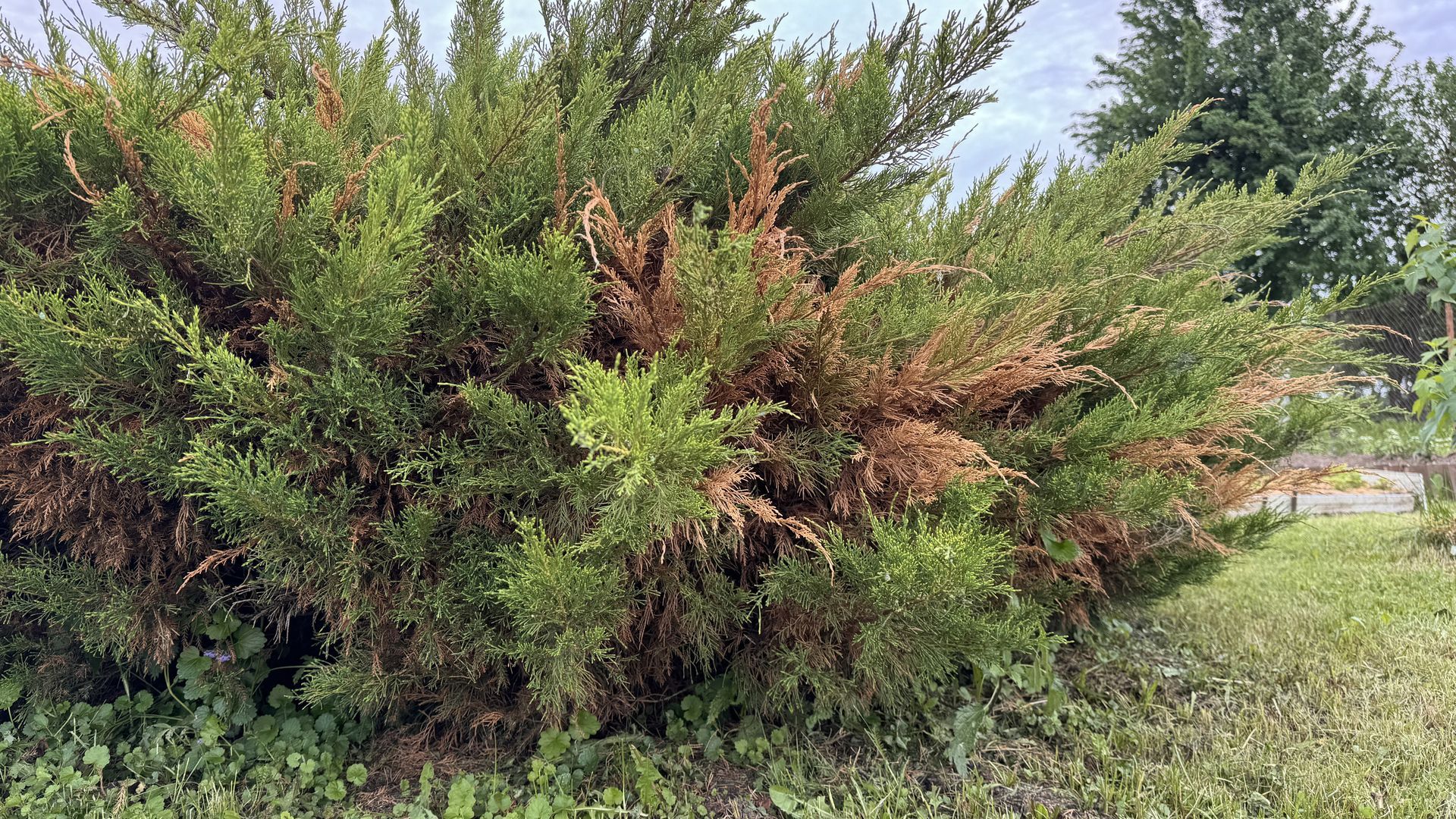
Dead branches accumulate in the canopy over time due to natural aging, storm damage, or localized disease, but their presence does not mean the entire tree is dying. Lone Pine Tree Care removes dead wood from pine and oak trees throughout Buckfield, focusing on the sections that pose risk to property or people while preserving the living structure. You request this service when you notice brittle, leafless branches that could drop during wind or snow events.
The process isolates dead sections by checking for bark integrity, flexibility, and whether the branch still has vascular connection to the main trunk. Pine trees often retain dead lower branches as the canopy rises, while oaks develop dead zones from localized injury or beetle activity that does not spread to healthy wood.
Request a detailed estimate based on the amount and location of dead wood in your trees..
How Dead Branch Removal Protects Property
Each cut is made just outside the branch collar to allow the tree to seal the wound naturally without leaving stubs that invite decay. Dead branches in the upper canopy are prioritized because they pose the greatest hazard, especially in oak trees where large limbs can remain attached long after they've died. The work preserves the tree's overall form while removing only what no longer contributes to its health or stability.
Once deadwood is removed, the tree allocates resources to living branches instead of maintaining failing sections, and you eliminate the risk of heavy dead limbs falling unexpectedly. Your property becomes safer during storms, and the tree's appearance improves as the healthy canopy stands out without the visual clutter of gray, brittle wood.
This service does not address underlying disease if the entire tree is compromised, and it does not prevent new deadwood from forming over time as the tree continues to age. Periodic removal is often necessary as pines and oaks naturally shed interior branches in response to light competition and growth patterns..
Common Questions About This Service
Deadwood pruning raises practical questions about tree health, timing, and how much removal is necessary to reduce risk effectively.
How do you tell the difference between dead and dormant branches?
Dead branches snap cleanly with no green cambium layer beneath the bark, while dormant branches remain flexible and show living tissue when scratched with a thumbnail or knife.
Why do pine trees have so many dead branches in the lower canopy?
Pines naturally shade out lower branches as the canopy grows taller, causing those sections to die and remain attached until they eventually break off or are removed.
What risks do dead oak branches pose compared to other species?
Oak limbs are dense and heavy, so dead sections pose greater impact risk when they fall, and oaks retain dead wood longer than many species before natural shedding occurs.
When should deadwood be removed from a tree in Buckfield?
Removal can happen year-round, but late fall through winter is ideal because you can see the branch structure clearly and avoid disturbing nesting birds during spring and summer.
Does removing dead branches help the rest of the tree grow better?
The tree redirects energy away from sealing wounds around dead sections and into productive growth, and removing hazardous limbs reduces the chance of disease entering through broken stubs.
Lone Pine Tree Care evaluates the entire tree structure during deadwood removal to identify whether additional pruning or risk assessment is needed. Schedule a consultation to address dead branch concerns before the next period of high winds or heavy snow.