3
Years of focused experience on residential and light commercial tree care
Support Systems That Save Compromised Trees
Tree Cabling & Bracing in Buckfield for trees with weak branch unions or structural defects that can be stabilized rather than removed
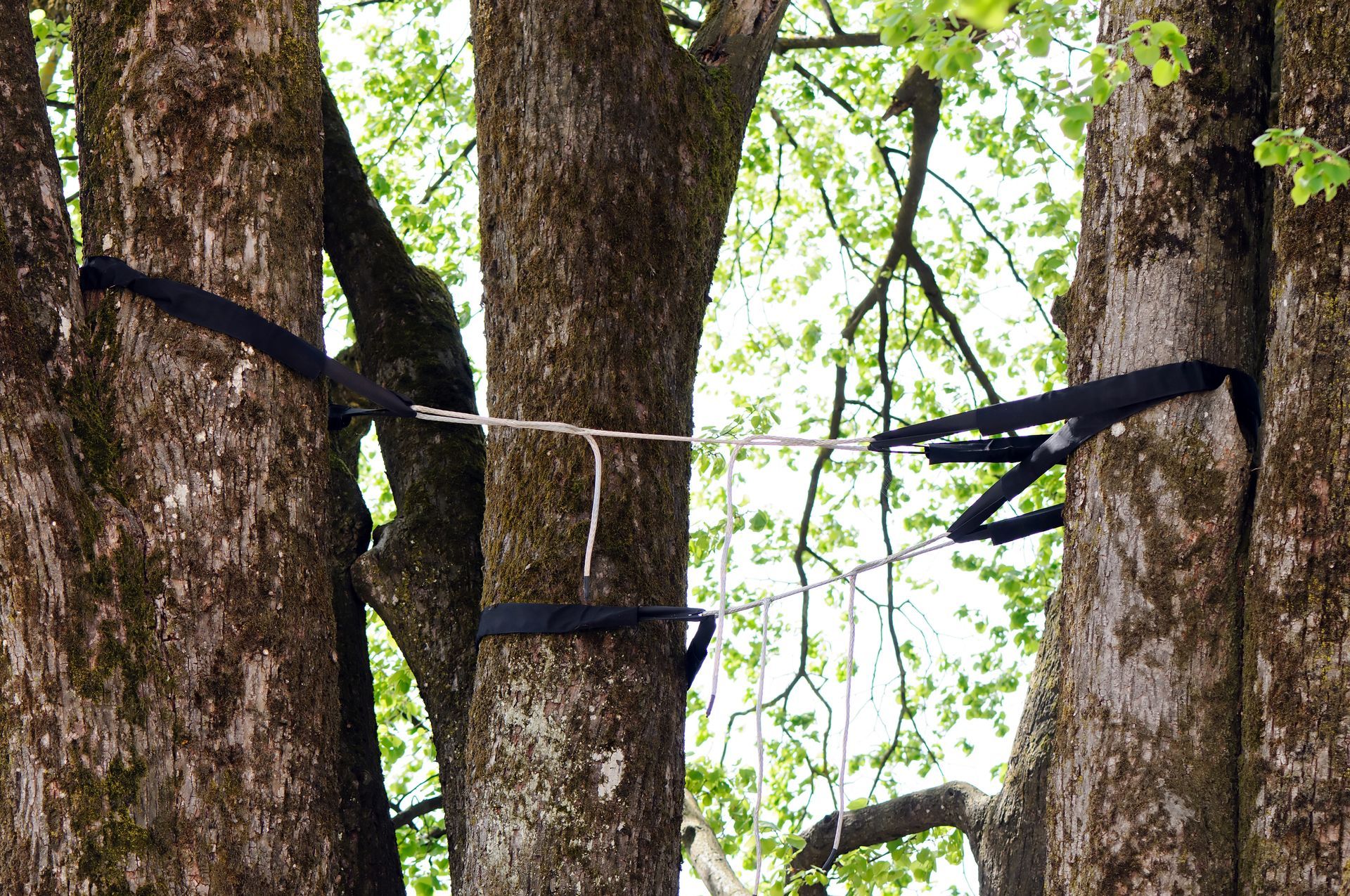
Lone Pine Tree Care installs cabling and bracing systems using a cobalt branching method rather than traditional steel cables, providing flexible support that allows natural tree movement while reducing the risk of limb failure. This service preserves trees that have co-dominant stems, heavy lateral branches, or structural weaknesses that would otherwise require removal. Property owners in Buckfield choose this option when a tree has significant value for shade, aesthetics, or property character but needs reinforcement to remain safe during wind and snow events.
The process involves installing support hardware in the upper canopy to redistribute weight and limit the movement of weak attachments, preventing splits that would cause major limbs to fail. The cobalt branching system uses synthetic materials that flex with the tree rather than rigid steel that can restrict growth or create pressure points.
Schedule a property evaluation to determine whether cabling or bracing can save a tree with structural concerns..
How Support Systems Address Structural Weakness
Cables are placed in the upper two-thirds of the canopy to limit the motion of branches or stems that have poor attachment angles, while braces are installed through the trunk or crotch to physically reinforce weak unions. The cobalt branching approach allows the tree to continue developing its own tension and compression wood responses instead of becoming dependent on rigid support. Installation points are chosen based on load distribution and where the tree naturally wants to split under stress.
After the system is installed, the tree remains standing with reduced risk of catastrophic failure, and you preserve the shade canopy, visual screening, or landscape value the tree provides. Limbs that would have split during ice storms or high winds are held in place by the support system, and the tree continues to grow around the hardware over time.
Cabling and bracing extend the safe life of a compromised tree but do not eliminate risk entirely, and the system requires periodic inspection to verify that hardware remains secure and the tree has not developed new defects. This service works best when combined with structural pruning to reduce weight on the supported sections and improve overall balance..
Questions Before Starting Your Project
Tree support systems raise questions about materials, long-term effectiveness, and when they are appropriate compared to removal or pruning alone.
What is the cobalt branching system and how does it differ from steel cables?
The cobalt branching system uses synthetic materials that provide flexible support and move with the tree, whereas steel cables are rigid and can create stress points or restrict natural movement as the tree grows.
How do you determine if a tree is a good candidate for cabling or bracing?
Trees with structural defects but otherwise healthy wood, significant landscape value, and realistic expectations for extended rather than permanent stabilization are best suited for support systems.
What parts of the tree are supported by cabling and bracing?
Cables are installed in the upper canopy to limit movement between weak stems or heavy branches, while braces physically reinforce crotches or unions that show signs of splitting.
How long does a cabling or bracing system remain effective in Buckfield?
Systems installed correctly can last a decade or more, but periodic inspection is necessary to verify that hardware is secure and the tree has not developed new defects that require adjustment.
What happens to a tree after support hardware is installed?
The tree continues to grow and develop its own structural responses, the risk of major limb failure is reduced during storms, and you retain the tree's shade and aesthetic benefits without immediate removal.
Lone Pine Tree Care evaluates whether your tree can be saved through cabling or bracing and explains the expected lifespan and maintenance requirements of the system. Arrange a consultation to explore support options for trees with structural issues before deciding on removal.