3
Years of focused experience on residential and light commercial tree care
Identify Tree Hazards Before They Fail
Risk assessment in Buckfield for trees showing disease indicators, bark unions, decay fungi, or woodpecker damage
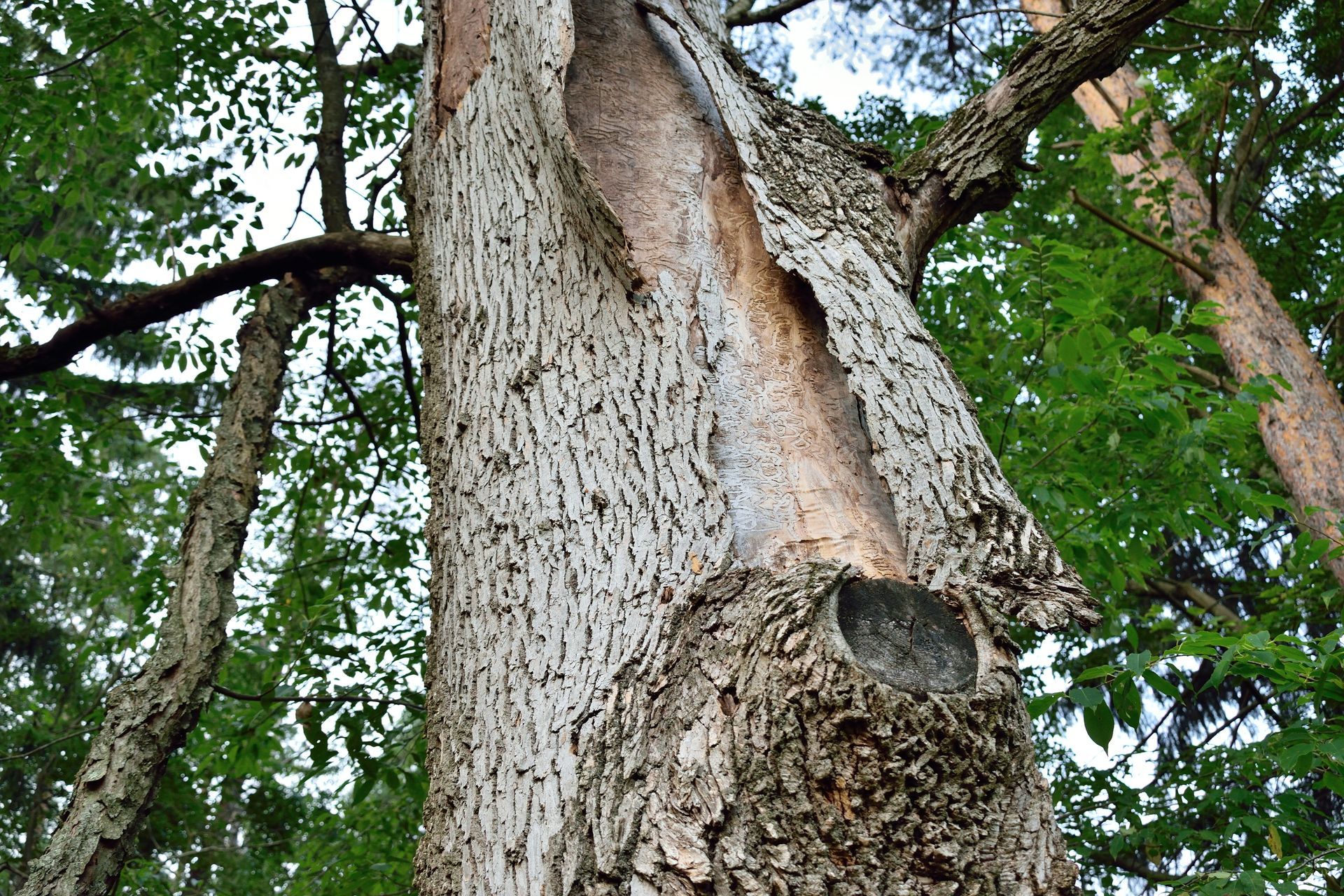
Mushrooms appear near the base of a tree, woodpeckers leave clusters of holes in the trunk, or co-dominant stems show visible bark inclusions where they meet, signaling potential structural failure that requires professional evaluation. Risk assessment examines the tree's structural integrity, disease progression, and likelihood of failure during normal weather events or storms. Lone Pine Tree Care performs this work in Buckfield by documenting specific hazard indicators including bark union defects, fungal fruiting bodies, insect damage patterns, and internal decay that may not be visible from the ground.
The evaluation process checks for signs that the tree's structural capacity is compromised, such as mushroom growth indicating root or trunk decay, woodpecker activity suggesting soft or infested wood, and bark unions where two stems are weakly attached. Each factor is weighed against the tree's location relative to structures, walkways, and areas where people gather.
Request a detailed assessment to document specific risks your trees may pose..
What Changes After a Risk Assessment Is Completed
The assessment involves visual inspection of the trunk and canopy, probing suspect areas for internal decay, and documenting defects that increase the likelihood of limb or whole-tree failure. Bark unions with included bark create weak attachment points that split under load, while mushroom growth signals advanced decay in the root system or heartwood that reduces structural stability. Woodpecker holes cluster where insects have infested the wood or where decay has softened it enough for excavation.
Once the assessment is complete, you receive documentation of which trees pose risk, what specific defects were identified, and what actions are recommended to mitigate hazards. Lone Pine Tree Care explains whether pruning, cabling, bracing, or removal is the appropriate response based on the severity of the defects and the tree's location.
The assessment identifies current conditions but does not predict exactly when failure will occur, as that depends on weather events, continued decay progression, and load factors that vary throughout the year. Some trees with moderate risk can be managed through pruning or support systems, while others with advanced decay require removal to prevent property damage or injury..
What Property Owners Usually Ask
Risk assessment often raises questions about how defects are identified, what they mean for tree stability, and what steps follow the evaluation.
What does mushroom growth at the base of a tree indicate?
Mushrooms are the fruiting bodies of fungi that have colonized the wood inside the tree, indicating decay that compromises structural strength and often requires removal or significant pruning.
How does a bark union affect tree safety?
When two stems grow together with bark trapped between them instead of fused wood, the connection is weak and prone to splitting, especially under snow or ice load common in Buckfield winters.
Why do woodpeckers target certain trees?
Woodpeckers excavate where insects are present or where wood has softened due to decay, both conditions that indicate the tree's structural integrity is compromised.
What happens after a risk assessment identifies hazards?
You receive a written report detailing the defects found, the level of risk each tree poses, and recommended actions such as pruning, cabling, or removal based on severity and location.
How often should trees be reassessed for risk?
Trees with known defects should be inspected annually, while healthy trees benefit from assessment every three to five years or after major storm events that could have caused hidden damage.
Lone Pine Tree Care provides clear documentation of structural issues and disease indicators found during inspection, along with prioritized recommendations for managing risk. Schedule an evaluation before the next winter season to address trees with visible defects or decay signs.