3
Years of focused experience on residential and light commercial tree care
Targeted Removal That Preserves Your Landscape
Selective Cutting in Buckfield for properties with damaged, hazardous, or unwanted trees that require removal without clearing the entire lot
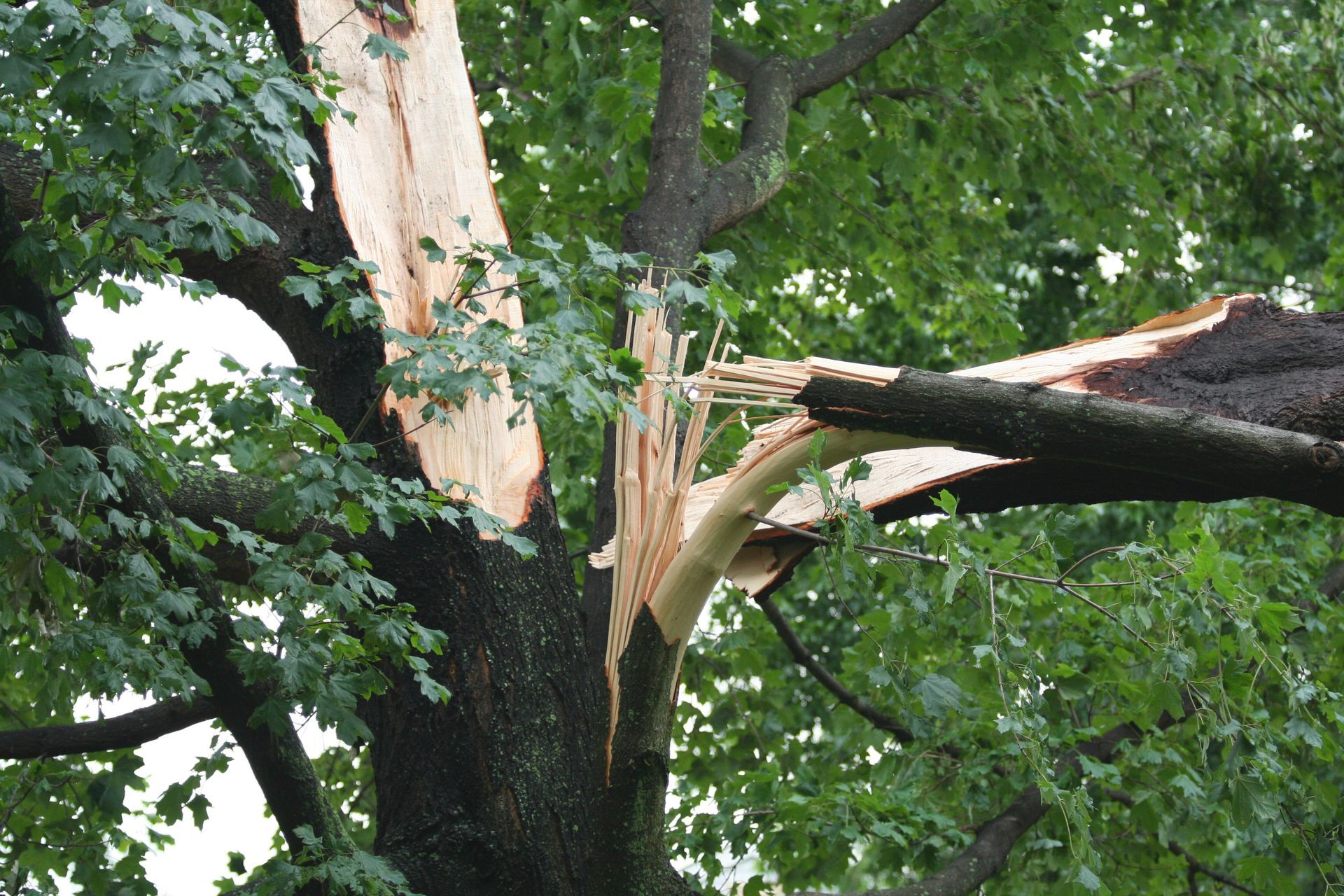
A specific tree becomes hazardous due to storm damage, root failure, or advanced decay, but removing it does not require clearing surrounding vegetation or disrupting the rest of the landscape. Selective cutting addresses individual trees that are dead, structurally compromised, or no longer wanted while preserving desirable species and maintaining the property's overall character. Lone Pine Tree Care performs this work in Buckfield by identifying which trees pose safety concerns and removing them without damaging healthy growth nearby.
The process begins with evaluating which trees need to come down based on structural stability, disease progression, proximity to buildings, or interference with other vegetation. Removal is planned to protect surrounding trees, minimize ground disturbance, and maintain the visual balance of the property.
Arrange an on-site consultation to review which trees should be removed and which should remain..
What Proper Selective Cutting Requires
Each tree is assessed for stability before removal to determine the safest approach for bringing it down without impacting nearby structures or healthy vegetation. Directional felling techniques control where the tree lands, and sections are often rigged down in pieces when space is limited or other trees are close. The goal is surgical removal rather than wholesale clearing, so healthy trees retain their root zones and canopy space.
After selective cutting, hazardous or unwanted trees are gone, sightlines and sunlight reach areas that were previously blocked, and the property remains wooded with its healthiest specimens intact. You notice improved safety around buildings and driveways, better growth conditions for remaining trees, and a landscape that looks intentional rather than overgrown or neglected.
This service includes removal of the tree and processing of large wood, but stump grinding is typically a separate step depending on whether you want the area replanted or left natural. Selective cutting does not address forest management goals like timber production or habitat improvement, which require different planning and techniques..
Answers to Frequent Service Questions
Property owners considering selective cutting want to understand how individual tree removal affects the rest of the landscape and what factors determine which trees should go.
What makes a tree a candidate for selective cutting rather than preservation?
Trees that are dead, severely damaged, leaning toward structures, diseased beyond recovery, or crowding out more desirable species are typically removed to reduce risk and improve overall property health.
How do you remove a tree without damaging the ones around it?
Directional felling controls the fall path, and rigging systems lower sections piece by piece when space is tight, so nearby trees retain their bark, branches, and root zones.
Why is selective cutting better than clearing an entire area?
You preserve the mature canopy and root systems that stabilize soil, provide shade, and maintain the wooded character of the property while eliminating only the trees that pose problems.
What happens to the wood after a tree is selectively cut in Buckfield?
Large sections can be processed for firewood if you want to keep it, or the material is removed from the property depending on your preference and what was agreed upon before the work begins.
How does removing specific trees improve safety and usability?
Hazardous trees no longer threaten buildings or power lines, foot traffic and equipment access improve in cleared areas, and remaining trees receive better light and growing conditions.
Lone Pine Tree Care walks the property with you to identify which trees should be removed and explains the rationale for each decision. Schedule a property evaluation to develop a selective cutting plan that balances safety, aesthetics, and long-term landscape health.